

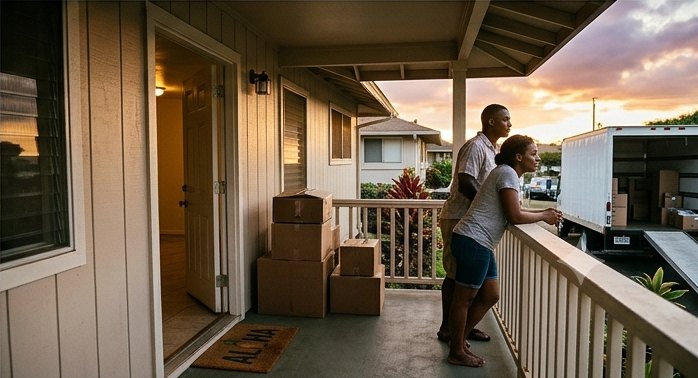
"Won't this destroy my credit?" It's the first question almost every homeowner asks me about a short sale — and the fear behind it keeps veterans stuck in homes they can't afford, sliding month by month toward the one outcome that really does wreck credit: foreclosure.
So let's separate what's true from what's feared.
Short sale vs. foreclosure: not the same hit
Both show up on your credit, but they are not remotely equivalent. A short sale is a planned, lender-approved settlement; a foreclosure is a forced legal action. Credit models — and future mortgage underwriters — treat them differently. A short sale generally affects your credit far less, and for less time, than a foreclosure.
Part of the damage people attribute to a short sale actually comes from the missed payments that often precede it. That's one more reason moving early matters: homeowners who act while current, or only slightly behind, tend to come through with far less bruising.
How a short sale is reported
When a short sale closes, the mortgage is typically reported as "settled for less than the full amount" or "settled as agreed." Settled is the key word — the account is closed and resolved, not left as an open delinquency growing worse every month. In most approved short sales the lender also agrees to waive the shortfall, so there's no lingering balance and no future collection activity.
The realistic recovery timeline
- Around 90 days after closing: once the balance is reported settled, many homeowners see their score begin to recover.
- First 1–2 years: steady on-time payments on everything else, low credit card balances, and no new derogatory marks do most of the rebuilding.
- Roughly 2½–3 years: many homeowners can qualify for a new mortgage. Compare that with a foreclosure, which typically shuts the door for much longer.
What about your VA entitlement?
For veterans, credit is only half the question — the other half is the VA loan benefit. Here's the honest picture: the entitlement used on the shorted loan generally stays charged until the VA is repaid its loss. But many veterans keep enough remaining entitlement to qualify for another VA loan in time, and resolving the balance can restore the rest. In an approved Compromise Sale, handling this correctly is part of the process — which is exactly why you want it done through the program rather than letting a foreclosure decide for you.
Five habits that speed the rebound
- Keep every other account current — payment history is the biggest factor in your score.
- Keep credit card balances low relative to their limits.
- Don't close old cards; their age helps you.
- Check your reports after closing and dispute any account not shown as settled/closed.
- Wait out the noise — avoid a burst of new credit applications in the first year.
The bottom line
No one should pretend a short sale is invisible — it isn't. But for most VA homeowners it's the difference between a bruise that heals on a schedule and an injury that follows you for years. Your exact outcome depends on your credit profile, your lender, and how the sale is handled, so treat the numbers here as typical patterns, not promises — and get your specific situation reviewed.